Flex Your Future: Muscle Preservation for Active Adults
- Description
- Reference Page Path
- /content/an/newsroom/us/en/lifestyle-nutrition/diet-wellness/flex-your-future-muscle-preservation-for-active-adults.html

From food fundamentals to nutrition and wellness, a healthy diet is not a one-size-fits-all approach.

Today’s world is more interconnected than ever. Information that once spread in months or years can now go viral in minutes. From social media trends to oversimplified wellness advice, many myths persist despite growing evidence to the contrary.
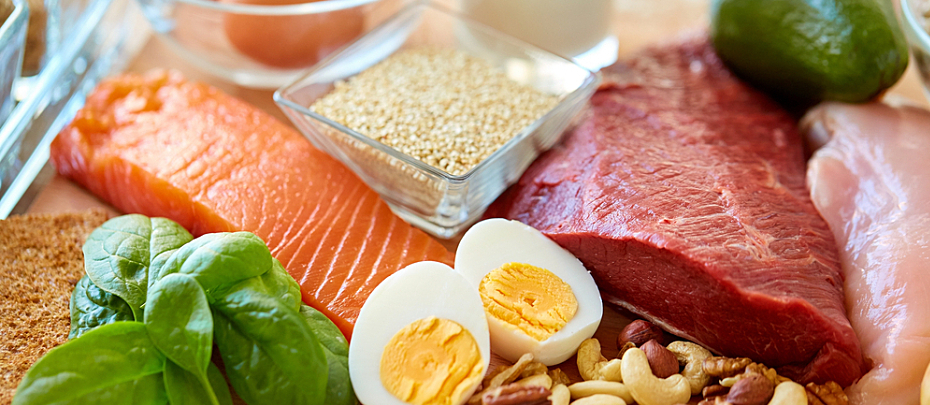
The world of protein can be confusing, with debates over complete vs. incomplete proteins, questions about the role of supplements, and misconceptions around plant-based proteins. This guide offers a clear, science-based breakdown of types of protein to help you make informed choices that support your lifestyle needs.
Staying hydrated is critical for health. Water helps regulate body temperature and can help maintain cognitive function. Despite hydration’s importance, U.S. adults may not be familiar with the common signs of dehydration and how to fix it.
It can be a challenge to keep on track with your health goals amongst the hustle and bustle of the holiday season. Among holiday gatherings, your grandma's special homemade cookies, and those fun, festive cocktails, the indulgences can start to add up.
Hydration Tips: Before, During and After Exercise
Staying hydrated while exercising is on the top of many athletes’ list for top-notch performance. Wondering about the best approach? A review article published in Nutrients from the Abbott - Real Madrid Innovation Lab, co-authored by Abbott’s scientists and members of the Real Madrid medical team, looked at the optimal strategy to achieve hydration before, during and after exercise and uncovered there is a key player that may surprise you.
Key Takeaways
• Your body needs water — but it is possible to have too much.
• While water toxicity is uncommon, it’s important to know common symptoms such as loss of appetite, nausea and fatigue.
• If you experience signs of water toxicity, seek medical attention immediately.

How Much Water Should You Drink Per Day?
Key Takeaways
• Staying hydrated is important for overall health.
• Factors like illness, environment and activity level can affect your fluid needs.
• Water, other beverages and even high water-content foods all help you stay hydrated.
Key Takeaways
• Staying hydrated often requires just drinking water regularly throughout the day, but some situations call for additional support.
• Achieving a balance of electrolytes is important for your body’s functions.
• Homemade electrolyte solutions may be risky, often containing too little sugar or too much salt to manage dehydration.
Key Takeaways
• Protein is an essential nutrient needed for nearly every function in the body.
• Your protein needs may increase with age, activity level and illness, and during weight loss.
• Eating high-quality protein at meals and snacks can help make sure you get the recommended amount.
Key Takeaways
• Protein is an essential part of a healthy diet.
• Getting adequate protein can help with muscle loss associated with intentional weight loss.
• High-quality, high-protein foods can help you meet your protein needs.
Key Takeaways
• Muscle matters. It helps support your daily activities, movement and energy metabolism.
• During weight loss, it’s common that muscle mass is lost, too.
• Getting plenty of protein can help preserve muscle when losing weight.
Key Takeaways
• Protein helps maintain muscle and support weight loss maintenance.
• Aim for about 25-30 grams of protein per meal.
• Choose protein-rich foods for meals and snacks to help meet your daily protein needs.
You know it's important to stay hydrated, but knowing is only half the battle. If only you could count on thirst to tell you what your body needs. Unfortunately, research shows that dehydration consistently outpaces physiological thirst. That means you tend to be mildly dehydrated long before you feel thirsty.
• In 2024, expect to see nutrition trends focused on longevity, sustainability and overall wellness.
• Nutrition experts highlight a need for a balanced diet, rather than fad diets and quick results.
• When practiced together, these trends can help you craft a well-rounded, personalized plan.

Healthy Foods to Eat Every Day: 365 Days of Nutrition
Key Takeaways
• It's important to eat a well-rounded diet that consists of a variety of nutrient-dense foods.
• Small, incremental changes can make a big difference to your health over time.
• Turning your short-term goals into a long-term lifestyle takes time.
When you're getting ready for a trip, staying hydrated while traveling might not be on your radar — but it should be. Air travel can be surprisingly dehydrating, setting you up for possible effects of mild dehydration, such as headaches, dizziness and fatigue, before you even arrive at your destination. Not getting enough fluids can interfere with short-term memory, attention and mood, too.
Water plays an important role in many bodily functions, such as protecting your organs, regulating your body temperature and maintaining cellular electrolyte balance. The role that hydration plays in everyday life and athletic performance is well understood, but did you know that hydration and mental health are linked, too?
Learn about the benefits of drinking water for mental health, including mood and cognitive function.
We all know how it feels not to be properly hydrated. From experiencing thirst to feeling sluggish to noticing that you don't need to urinate as frequently as usual, it's clear that being dehydrated can negatively affect how we feel and move through the day.
While drinking enough fluid is key to helping us feel our best, less of a focus is placed on the importance of cellular hydration, or having enough fluid in the cells to allow them to do their job. But what is hydration when it comes to cells, and why is hydration important on a cellular level?
Summer is the season that usually gets people thinking about how to stay hydrated. Hot weather makes you sweat, which increases the need for fluids, and you may feel thirstier in general. But what about winter?
Hydration in cold weather can be easy to overlook, but the truth is that cold temperatures can also increase the body's demand for fluids. In this article, you'll learn about how cold weather can increase your potential for dehydration, the signs and symptoms of dehydration and tips for staying hydrated all year long.
When struggling to stay alert, a cup of coffee, energy drink or candy bar may seem like quick-fix, energy-boosting foods, but there's a little more to it.
Let's start with what energy actually means. Energy refers to both a sense of energetic alertness and the physical energy stored in calories.
Calories sometimes get a bad rap. But should they? People are often told that a high-calorie eating approach can lead to weight gain. But too few calories can be equally problematic, robbing the body of the fuel and vital nutrients it needs to perform at its best.
The trick to optimal nutrition isn't avoiding calories. It's about balancing the energy and nutrients you take in with the amount you expend. So, what is the daily calorie intake that's right for you? This guide can help.
What Is Collagen and Why Is It Important to Your Health?
Collagen is one of the most popular items to hit the nutrition aisle, but what exactly is it? And how important is it for your health? Collagen is a protein in the body that provides structure to the connective tissue. Over time and with aging, collagen production decreases causing less elasticity in the skin. Researchers are studying collagen for its potential to reduce wrinkles, mitigate joint pain and reduce bone deterioration.
Your brain is hungry for nutrition. Even though this organ makes up only 2% of your body's weight, it gobbles up 20% of its calories. If you'd like to stay sharper, faster and more focused, these five nutrients for the brain can help.

"Healthy" and "Halloween" aren't words you usually find in the same sentence. But Halloween doesn't have to be all about candy and chocolate. The real seasonal trick is balance. By swapping in nourishing Halloween treats for some of the typical goodies, you can join in on the fun and nourish your body at the same time.

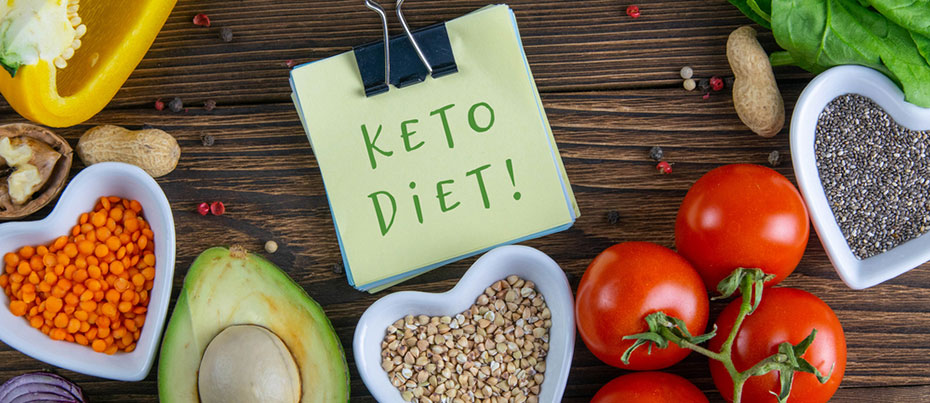
Have you been thinking of "going keto"? The ketogenic diet has become incredibly popular in recent years, but if you're new to it, you may be wondering how to start a keto diet. It's not necessarily difficult — but it does take a bit of consideration.
If you've been eating a typical American diet, you'll probably need a little help to change the way you eat. First, be sure to talk with your doctor and get their go-ahead to go keto. Once you have a green light from your healthcare provider, you can use these five keto diet tips to get started.

You’ve educated yourself, talked to your healthcare provider and made the leap to the ketogenic diet – a very high fat, moderate protein, very low carb approach to fueling your body. And by now you are a meal prep superstar and probably looking to add some variety to your menu. Soups can be a great place to start. The right soup can help you stay hydrated, nourished, and on target with fat intake to fuel and support ketone levels.
Here are some expert-approved ingredients and ideas to help you maintain that weight loss, improve body composition, and avoid the ups and downs of a high sugar diet.
Today, the ketogenic-friendly diets have become popular among individuals looking to reduce their carbohydrate intake and maintain their overall health and well-being.
While the keto diet is still used for medical purposes, it, and keto-friendly diets like it, have also been adopted by many other people who primarily want to manage their weight. And, over the years, it's morphed from the traditional meat-heavy plan into a newer plant-based keto diet.
Are you considering following this type of meal plan? Here are the benefits of the updated version of the keto diet and some tips on getting started.

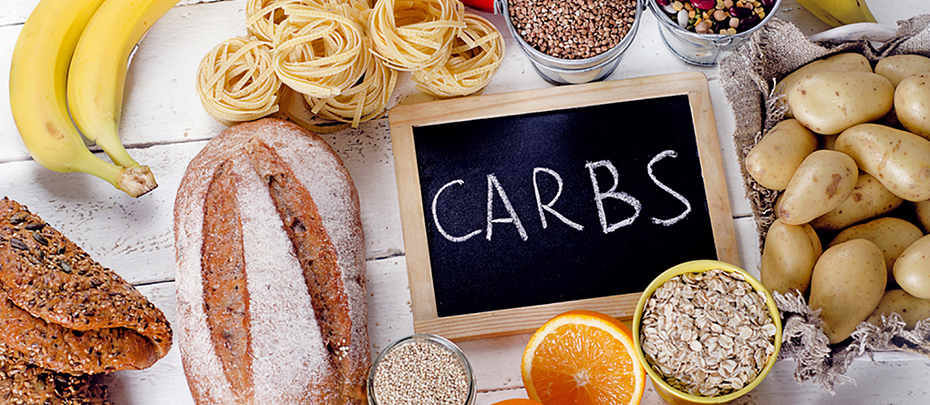
When it comes to good nutrition, balance is key. Your body needs a variety of nutritious foods to get all the necessary nutrients– including carbohydrates. Carbs are energy-providing macronutrients that can play an important role in an overall healthy diet. And choosing carbs doesn’t have to be hard. Here are five tips to help you choose the best carbohydrate source.

Carbohydrates are an important nutrient for overall health, yet in recent decades there’s been an increase in carb confusion – especially regarding their role in nutritious diets and in prepared foods like nutrition drinks. Here are five carbohydrate myths debunked.

Refraining from eating for long periods, more commonly known as fasting, is a time-honored practice. Religious fasts such as Ramadan and Yom Kippur have been observed for centuries. More recently, some people have been turning to an intermittent fasting plan to manage their weight, blood sugar and other aspects of their health. But what is intermittent fasting? And is it safe for everyone?
We spoke with Abbott expert Jennifer Williams, a research scientist specializing in hydration and pediatric nutrition, about the benefits of this current, trendy diet and what you should consider before trying it
Plant protein-based diets are becoming increasingly popular around the world, and there are lots of good reasons why. Research links diets that are largely plant-based to several health benefits, including a lower risk of type 2 diabetes, cardiovascular disease and premature death. While more research is needed, a 2019 review in Translational Psychiatry suggests that plant-based diets may also improve cognitive health.
While plant proteins play an important role in health and physical function, how do they compare to the nutrient density of animal proteins?

The ketogenic diet, better known as the keto diet, is a popular style of eating that restricts carbohydrates — but it's by no means your average low-carb diet. While low-carb and keto diets overlap in a few key ways, from their potential health benefits to the foods they discourage, they vary significantly.
We spoke with Pamela Nisevich Bede, a registered dietitian for ZonePerfect and medical manager for Abbott's scientific and medical affairs team, about low-carb and keto diets. Here are the insights she shared, as well as some tips to consider if you're looking to try either of these diets.

Good nutrition helps nourish your body, and just like many things in life, it’s all about balance. Early on, we’re told to eat a wide variety of foods from all food groups – fruits, vegetables, grains, dairy, and protein – and this advice comes with good reason. To function and thrive, you need various foods to get all the essential nutrients the body needs, like carbohydrates, protein, fat, vitamins, and minerals.
In recent decades—and with the rise of diets like ketogenic, paleo, and Atkins—there’s been growing confusion about one nutrient’s role and importance in particular: carbohydrates. Yet, this macronutrient remains an important part of an overall balanced diet and is necessary for good health. Understanding the role of carbohydrates – and the foods they’re found in – can help you follow a nutritious, balanced diet.

Staying healthy in the face of a global pandemic is top of mind for most of us. But how do we do it? The key: Focus on the immune system. It's the body's defense against illness. When it's working well, the immune system can help protect against infections. Including essential nutrients as part of a well-balanced diet can improve your overall nutrient intake to support and maintain immune health.
Plant-based proteins have steadily been growing in popularity, and this trend is expected to increase in the next decade, with many people choosing plant proteins for health, environmental and ethical reasons. You've likely started noticing more plant-based products in your grocery store or heard discussions about them in the news.
As plant proteins start showing up in more places, it's important to keep in mind that there are many different kinds — and they can vary in nutritional quality. If you decide to add plant-based proteins to your diet in place of animal proteins, you need to understand these differences. By keeping a few key points in mind, you can maintain (and enjoy) a nutritious and well-balanced diet.
Here are insights and answers related to some of the most common questions surrounding plant-based proteins.

If you'd like to start the new year off strong, make a resolution to get enough of these powerful nutrients. They're proven to support your immune system, brain health, eyesight and more.

Whether you're wondering how to add more vegetables to your diet or are simply craving healthy, hearty winter recipes, it's a good idea to think soup! You've probably heard that soup might even ease the symptoms of a cold — but it does much more than that.
Soup is an excellent source of fluids and electrolytes to help you stay hydrated. It's also a great way to work in key nutrients to help you feel your best all winter long. It's so good for you that people who eat soup were found to consume more vitamins, minerals, protein and fiber than those who don't, according to a study in the British Journal of Nutrition.
While canned options abound, homemade options are easier to create than you might imagine. Designed right, homemade options are often much lower in sodium.

These days, immune health is at the forefront of everyone's minds. While there are many components to immune health nutrition plays a key role. In fact, a recent review in the European Journal of Nutrition & Food Safety found that a variety of vitamins and minerals play an important role in supporting immune health.
Furthermore, the study also suggested that deficiencies in certain vitamins and minerals can lead to a weakened immune system and greater susceptibility to infection. Thankfully, these nutrients are abundant in everyday foods.
You can effectively support your immune system by eating a balanced diet that includes protein, iron and antioxidants and other key vitamins and minerals.

The holidays are synonymous with pumpkin-packed goodies: Pies, breads and the now ubiquitous pumpkin spice latte. But this vibrant gourd is available all year long and can be used in way more dishes than sweet treats.

Remember, when you were told, “you are what you eat?” Even though you may think that is a silly saying, it rings true. Every bite, every choice, builds every ounce of our being.
By choosing nutrient dense and functional foods to fill your plate, you can build your best self and support immune health. Now is the time to choose for the better and give your body the tools it needs. Hint: The color of your plate plays a considerable role.

Your immune system works around the clock to keep you healthy and to support recovery when illnesses strike, but it can't succeed on its own. The immune system requires key nutrients to build protective antibodies, proteins and enzymes to keep your immune system functioning.
According to nutritional immunologists, the best way to get these key nutrients is from immune-supporting foods as part of a balanced diet. But what nutrients does your immune system need most? And how do they help you stay healthy? First things first, let's dive into the science of nutrition and its role in the immune system.

Good nutrition is critical to support a healthy immune system. There is a strong relationship between poor nutritional status and compromised immunity.1 Below, are seven essential nutrients that are known to support immune health.2-8

We're all born with a natural liking for the sweetness that comes from sugars. As we get older, we learn that there is such a thing as having too many of them in our diet. But even with that knowledge, understanding sugars isn't always simple. Natural sugars or added sugars appear in a wide range of the foods you eat. It all starts with understanding the science behind sugars.

Scientists are increasingly digging up new plant-based diet health benefits and, in tandem, eating fewer animal products is becoming a popular way of life. Even fast-food restaurants are jumping on the bandwagon, offering veggie versions of their popular menu staples. It's now easier and more convenient to work plant-based nutrition into your busy life, but should you?
Along with the science-backed health benefits of eating a plant-based diet, there are some challenges to consider, chiefly regarding getting the right balance of nutrients. Here, Steve Hertzler, PhD, RD, a senior nutrition scientist at Abbott weighs in on what you need to know before trying this eating trend.

Just as your body changes with each stage of life, your nutrition needs change too. Consider the role of protein in the body. In infancy, it's a critical part of growth and development; while in adulthood, protein may help you maintain a healthy BMI or body mass index. And as you age, it can help you support the lean muscle you need to stay active.
The same holds true for other nutrients like vitamins, minerals and certain fats. Researchers at Abbott have been studying the role nutrition plays from early infancy to late adulthood to help people better nourish every stage of life. If you're wondering which nutrients you need now — and in the future — these experts share the latest insights from nutrition science.

When you get down to it, the importance of hydration should come as no surprise. "If you look at our physiology, it becomes really clear. Children's bodies are about 70 to 75 percent water, while adults' are about 60 percent," explains Abbott research scientist Jennifer Williams, MPH. "And water is an essential part of keeping every cell in your body working at its best," she adds.
However, when it comes to the best ways to keep hydrated, there seems to be an overflow of misconceptions — some of which can have the opposite effect. Here are some of the most common missteps to avoid.

Hydration is important every day because it keeps you feeling and performing at your best. But it's even more critical to pay attention to fluid intake in hot temperatures, during extended air travel, vigorous exercise and after the occasional cocktail.
Water makes up about 60 percent of the human body and it's needed for important jobs such as regulating body temperature, maintaining healthy skin and joints, digesting food, and helping the brain function at its best. That's why losing just one to two percent of body fluids can impact physical performance and, more seriously, it can affect cognition. The good news is that with a little know-how, you can defend against dehydration.

Water makes up close to 60 percent of the human body, yet we often underestimate the importance of hydration. Even though water keeps your brain firing at top speed, your muscles moving and your heart healthy, a lot of people still don't get enough water to stay properly hydrated.
Research in ACSM's Health & Fitness Journal shows that losses of just 1 to 2 percent of body fluids can be accompanied by serious side effects like impaired cognition. For a 150-pound person, that's the equivalent of close to two pounds in water weight.
Do you need a hydration refresher? Jennifer Williams, MPH, research scientist and hydration expert at Abbott, shares the six most common causes of dehydration — and how to take control of each.

If the term "dietitian" makes you think of healthy eating tips, weight loss goals, and meal plans, then you're probably not alone. But there's a lot more to it than that.
Dietitians are stewards of good nutrition - helping kids grow and thrive, athletes perform and recover strong, and adults age healthfully and manage illnesses. In addition, they also research and develop important nutrition products.
"My grandmother lived until 98, and she swears it was from never eating a hot dog," said Dr. Donna-Marie Manasseh, chief of Breast Surgery at the Maimonides Cancer Center.
Thought leaders from the health care, academic and media worlds came together for a roundtable hosted by The Atlantic, and supported by Abbott, to discuss nutrition in the United States. Manasseh's quip was met with laughter, but it also spoke to the obstacles many Americans face regarding nutrition and aging. How are people expected to keep up with so much conflicting nutrition guidance?

In this series, our experts answer nutrition questions to help you nourish your best life at every age.*

If you or a family member are feeling tired, headache-y or cranky, it's easy to assume that a cold or virus is coming on. However, the real culprit could be dehydration. "The stomach flu, fever, morning sickness, sweltering temperatures, exercising heavily on a hot day, and even travel are all common dehydration causes," says Jennifer Williams, M.P.H., a research scientist at Abbott.
Dehydration is basically a loss of body water. This includes both water and vital electrolytes such as sodium, chloride and potassium. Water is so critical it makes up about 60 percent of body weight in adults, and up to 75 percent of body weight in infants. We need it for important jobs such as regulating body temperature, maintaining healthy skin and joints, digesting food, removing waste and helping our brains function at their best.
Links which take you out of Abbott worldwide websites are not under the control of Abbott, and Abbott is not responsible for the contents of any such site or any further links from such site. Abbott is providing these links to you only as a convenience, and the inclusion of any link does not imply endorsement of the linked site by Abbott.
The website that you have requested also may not be optimized for your screen size.