LIFESTYLE NUTRITION

When the Heat Is on: The Science of Rehydration from Elite Athletes to Everyday Exercisers

When the Heat is On: The Science of Rehydration from Elite Athletes to Everyday Exercisers

Sub Heading

Why effective hydration and recovery in the heat require more than water.

Main Image

A man in a soccer uniform peeks up from within a team huddle.

Duration
JUNE 10, 2026   
5 MINUTE READ
Description

Training in the heat can challenge even the most prepared athletes. While you can’t control the weather, you can control how you rehydrate in the heat. Through proper understanding of your electrolyte and fluid needs, you can train and recover more effectively.

The Heat Factor Athletes Can’t Ignore

During exercise, the body regulates temperature primarily through sweating. As exercise intensity rises, sweat production increases, making proper hydration even more important. Paying attention to how much you sweat is one of the simplest ways to monitor your hydration status. Sweat contains both water and electrolytes, especially sodium, so the more we sweat, the more fluids and electrolytes we lose.  

Exercise and heat exposure can significantly increase electrolyte loss, which can affect muscle function, nerve signaling, and overall performance. In addition to disrupting electrolyte balance, heat and dehydration can accelerate fatigue and place added stress on the body. Together, dehydration, heat stress and fatigue can quickly impair performance in hot conditions.

Many people use ‘hydration’ and ‘rehydration’ interchangeably, but they’re not the same. Hydration is maintaining fluid balance proactively, while rehydration is restoring fluids and electrolytes after losses have already occurred. Understanding that difference is key to helping people feel and perform their best.

Lauren Spain, PhD, RDN, Medical Science Liaison

Rehydration Requires More Than Just Water

Many people focus on drinking enough water, but proper hydration also depends on maintaining the right balance of fluids and electrolytes. Key electrolytes such as sodium, potassium, and magnesium play an essential role in maintaining your fluid balance and supporting muscle function and nerve signaling.

Some common rehydration mistakes athletes make:

  • Waiting until they feel thirsty
  • Replacing only water
  • Ignoring sodium/electrolyte losses

The best electrolyte drinks are those that replenish the nutrients lost through sweat.  In some situations, during intense exercise, replacing fluids lost only with water can dilute electrolyte levels and leave the body inadequately hydrated. Additionally, plain water does not provide glucose, which helps the body absorb fluids more effectively when paired with sodium.

Elite Recovery: Lessons From the Pros

Sometimes the toughest challenge in competition isn’t the opponent, it’s the heat. While athletes can’t control the weather, they can control how they prepare and perform in it. Experienced athletes understand that hydration strategies should adapt to the environment, especially in hot and humid conditions.

simple hydration plan can help athletes stay prepared and perform their best in the heat:

  • Before exercise: Start hydrating early. Drink 17-20 fl oz of a sports drink or water about 2-3 hours before exercise.
  • During exercise: Aim to drink 7-10 fl oz every 10-20 minutes, during intense exercise or especially in hot, humid weather.
  • After exercise: Continue rehydrating over the next several hours to replace fluids and electrolytes lost through sweat.

Elite athletes know that preparation and recovery for practice and competition is a critical competitive edge and are key components of performance.

At the elite level, recovery starts before the workout begins. Hydration and electrolytes aren’t extras—they’re part of the performance plan. The athletes who prepare best for the heat are often the ones who perform best when it matters most.

Dr. Lopez Chicarro, Real Madrid Medical Services

Hydration Strategy Matters at Every Level

Hydration challenges aren't limited to elite athletes. From long training runs and summer camps to recreational leagues and high school or college sports, athletes at every level can be affected by dehydration and heat stress. No matter the level of competition, athlete safety should always come first. You don’t have to compete on a world stage to experience the risks associated with dehydration and exercising in the heat.

Key hydration reminders include:

  • Quench Your Thirst with Water to replace fluids lost: By the time you feel thirsty, dehydration may have already begun.
  • Electrolytes: Replace both fluids and electrolytes to help the body retain and balance fluids.
  • Be mindful of environment: Adjust hydration strategy based on temperature, humidity and sweat loss.

For runners preparing for fall events such as the Abbott World Marathon Majors, staying ahead of fluid and electrolyte losses is an important part of consistent preparation and recovery throughout demanding summer training cycles.

What This Means Beyond Competition

Effective hydration is about more than simply drinking water. It also depends on the beverage composition in addition to fluid intake. Athletes hydration needs can vary based on several factors, including duration of exercise, workout intensity, duration and frequency, and opportunities for rehydration (breaks in practice, fluid bottles on bikes) during activity.

Key components that support rehydration include:

  • Water: replaces fluids lost through sweat
  • Sodium: supports fluid retention and distribution; most critical electrolyte
  • Potassium: supports muscle and nerve function
  • Glucose/sugar: supports fluid absorption when paired with sodium

Built for Rehydration: What Makes Pedialyte Different

Not all hydration electrolyte drinks are designed the same. Some sports drinks are built primarily for energy during endurance activity, while oral rehydration solutions like Pedialyte® are formulated to help replenish fluids and electrolytes lost through sweat. With 2x electrolytes and 50% less sugar vs the leading sports drink, Pedialyte helps you rehydrate and feel better fast. For athletes training in hot conditions, finding the best electrolyte drink that includes the right balance of sodium, fluids, and glucose can make a meaningful difference in rehydration.


5 Smart Snacking Tips to Curb Hunger | Abbott Nutrition

Main Image

Alt text

Description

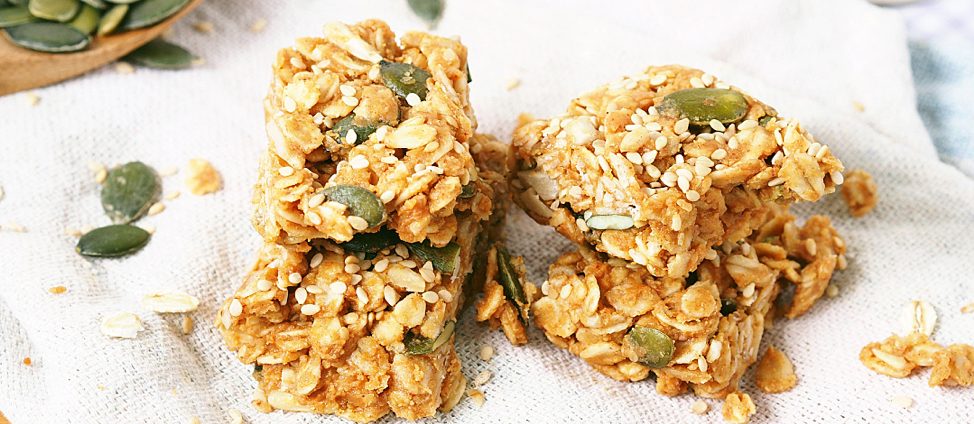
Snacking is one of those habits that often gets a bad rap. But nibbling throughout the day can have some powerful health benefits.

"The right snacks ward off hunger, so you feel more in control and have steady energy while waiting for your next meal," explains Pamela Nisevich Bede, MS, RD, a registered dietitian at Abbott. "And it's important to choose snacks that curb cravings and keep you satisfied."

But just because snacking has some health benefits doesn't mean you should overdo it with candy and popcorn anytime you're watching TV. Try these five snacking tips to improve your eating habits between meals and choose snacks that work hard for you, so you're not working them off later. 

Reference Page Path
/content/an/newsroom/us/en/lifestyle-nutrition/active-lifestyle/5-smart-snacking-tips-to-curb-hunger.html

5 Snacks to Eat Before a Workout

Main Image

Alt text

Description

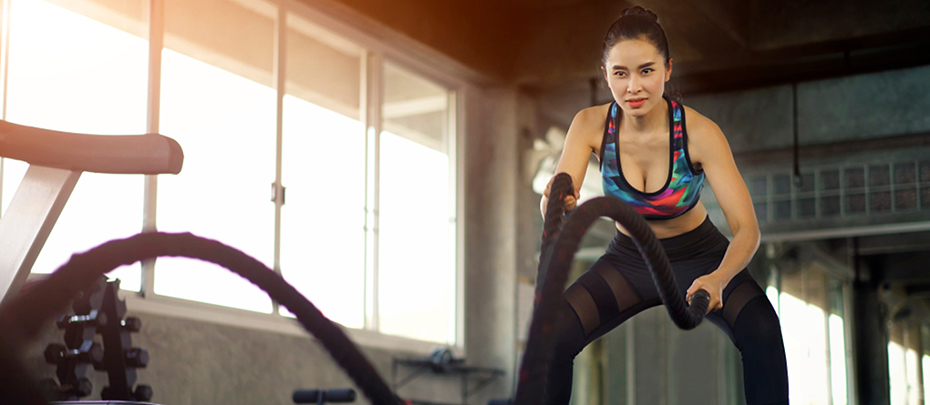
Regularly exercising is one of the best things you can do for optimal health. The food you eat before a workout is critical. For your body to perform at its very best, it requires targeted energy and nutrients before you lace up your running shoes or hop on the bike.

It can also be helpful to know that successful pre-workout snacking isn't just about what you eat. It's also about when you eat. After all, attempting a downward dog or a spin class on a full stomach isn't very comfortable.

That's why it's important to give your body roughly one to three hours to digest and absorb the nutrients in your snack. When that's not possible, eating a lighter snack about 30 minutes prior to exercise can also do the trick.

No matter what your schedule is like, these five satisfying snacks can deliver the fuel healthy muscles need for peak performance. 

Reference Page Path
/content/an/newsroom/us/en/lifestyle-nutrition/active-lifestyle/5-snacks-to-eat-before-a-workout.html