HEALTHY LIVING

Carbohydrates: The Role They Play and Why You Need Them

Carbohydrates The Role They Play and Why You Need Them

Sub Heading

Understanding the role of carbs from energy to gut health

Main Image

Alt text

Duration
MAR. 02, 2021   3 MIN. READ 
Description

Good nutrition helps nourish your body, and just like many things in life, it’s all about balance. Early on, we’re told to eat a wide variety of foods from all food groups – fruits, vegetables, grains, dairy, and protein – and this advice comes with good reason. To function and thrive, you need various foods to get all the essential nutrients the body needs, like carbohydrates, protein, fat, vitamins, and minerals.

In recent decades—and with the rise of diets like ketogenic, paleo, and Atkins—there’s been growing confusion about one nutrient’s role and importance in particular: carbohydrates. Yet, this macronutrient remains an important part of an overall balanced diet and is necessary for good health. Understanding the role of carbohydrates – and the foods they’re found in – can help you follow a nutritious, balanced diet. 

The Role of Carbohydrates: From Energy to Gut Health

Carbohydrates, also known as carbs, are vital at every stage of life. They’re the body’s primary source of energy and the brain’s preferred energy source. Carbs are broken down by the body into glucose – a type of sugar. Glucose is used as fuel by your body’s cells, tissues, and organs. When your body doesn’t get adequate carbohydrates, it looks for another energy source, breaking down the protein in your muscles and body fat to use as energy. Glucose is significant for the brain, which can’t easily use other fuel sources like fat or protein for energy.

While carbohydrates are most known for providing energy, some carbs can also help promote digestive health. The microbiome is an enormous collection of microbial organisms that live on and in your body, most of them within the gastrointestinal tract or the gut. Many of the microbes within the gut are healthy bacteria that help support immune and digestive health. Certain carbohydrates – like fiber – act as food for the good bacteria in the gut and promote their growth. Eating foods high in fiber, like fruits, vegetables and whole grains, can also help with regular bowel movements,  minimize constipation-related issues and may help lower cholesterol and blood sugar.

“Every ingredient that goes into our products serves an important purpose. For some people our nutrition products provide their total nutrition, so the products must be balanced with important nutrients – including carbohydrates – so people can get the nutrition they need to grow, heal or thrive.”

Hakim Bouzamondo, MD, MSC, MBA, division vice president of Global Research and Development, Abbott

The Function of Carbohydrates in Prepared Foods

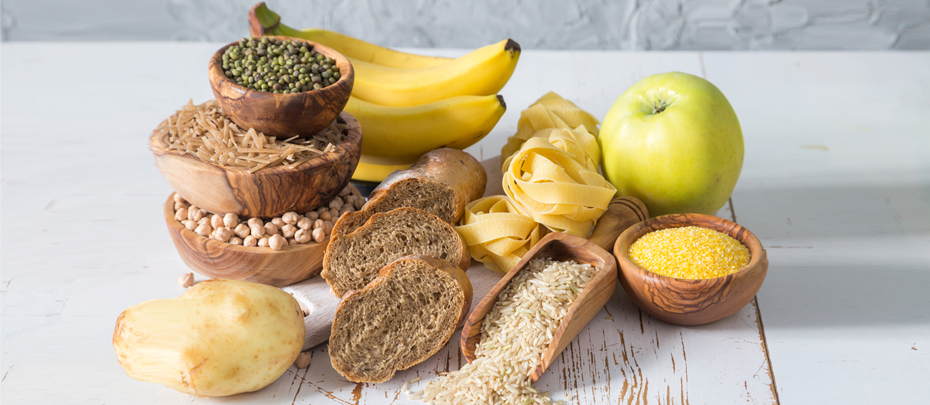
While carbs occur naturally in many foods like pasta, fruit, vegetables, milk, and bread, they’re often added to prepared foods to balance the nutrients and improve taste and texture. And they play an essential role.

Take nutrition supplements, for example. Some nutrition supplements, like nutrition drinks, are nutrient-dense and designed to provide important macro-nutrients, vitamins, and minerals. Carbs are one of the main energy sources and play an important role in the taste and consistency, too. Sugar can add thickness and also help prevent clumping of protein in powder mixes, which can impact texture and consistency. Sugar also provides sweetness to nutrient-dense foods and helps enhance positive flavors or mask negative ones, so the products are easy to drink.

“When we create nutrition products, specific ingredients are added to create balanced, nutrient-dense foods,” says Hakim Bouzamondo, MD, MSC, MBA, division vice president of Global Research and Development at Abbott. “Every ingredient that goes into our products serves an important purpose. For some people our nutrition products provide their total nutrition, so the products must be balanced with important nutrients – including carbohydrates – so people can get the nutrition they need to grow, heal or thrive.”

It’s important to ask your healthcare professional if you have questions about your diet. And understanding the different kinds of carbohydrates, where to find them in foods and how to prioritize them in your diet, will help you enjoy a variety of foods while providing your body with essential nutrients.

Decoding Types of Protein: The Complete Breakdown

Main Image

Latin American family having family lunch together in summer stock photo

Description

The world of protein can be confusing, with debates over complete vs. incomplete proteins, questions about the role of supplements, and misconceptions around plant-based proteins. This guide offers a clear, science-based breakdown of types of protein to help you make informed choices that support your lifestyle needs.

Reference Page Path
/content/an/newsroom/us/en/healthy-living/diet-wellness/decoding-types-of-protein-the-complete-breakdown.html

Hydration Made Simple: Answers to Your Most Common Questions

Main Image

A person smiling and drinking water from a clear bottle with a mountain in the background

Description

Staying hydrated is critical for health. Water helps regulate body temperature and can help maintain cognitive function. Despite hydration’s importance, U.S. adults may not be familiar with the common signs of dehydration and how to fix it.

Reference Page Path
/content/an/newsroom/us/en/healthy-living/diet-wellness/hydration-made-simple-answers-to-your-most-common-questions

SELF QUIZ

 
Required